Construction cost management reduces costs without sacrificing quality by combining accurate cost planning, value engineering, procurement strategy, and ongoing budget monitoring. Instead of simply choosing cheaper materials or reducing the scope, effective cost management identifies where money can be spent more efficiently while protecting design intent, compliance, safety, and long-term performance.
For commercial construction projects, controlling costs is about more than staying within a fixed budget. Businesses need to make informed decisions throughout the project, from the initial feasibility stage through design, procurement, and construction.
When cost management is built into the process from the beginning, potential financial risks can be identified earlier and addressed before they become expensive problems.
What Is Construction Cost Management NZ?
Construction cost management in NZ is the ongoing process of estimating, planning, monitoring, and controlling project costs throughout the construction lifecycle.
It begins during the early stages of a project, when businesses are assessing whether a proposed development or refurbishment is financially realistic. As the design develops, costs are reviewed and refined so that the project remains aligned with the available budget.
During construction, cost management continues through budget tracking, variation management, procurement and financial reporting.
The objective is not simply to spend less. It is to make sure the available budget is being used where it delivers the greatest value.
Why Does Cost Management Matter for NZ Construction Projects?
Construction costs can change as a project develops. Material prices, labour, design changes, procurement decisions, and unexpected site conditions can all affect the final cost.
Without regular cost monitoring, relatively small changes can accumulate into a significant budget overrun.
Early cost planning gives businesses a clearer understanding of what can realistically be delivered within their budget. It also lets teams review design decisions before they become difficult or expensive to change.
For commercial projects in particular, this can make the difference between a controlled project and one where financial decisions are made reactively during construction.
How Does Construction Project Management Reduce Costs?
Effective construction project management brings cost considerations into everyday project decisions rather than treating the budget as a separate exercise.
At the feasibility stage, early cost planning helps establish whether the proposed scope is realistic. As the design develops, detailed estimates can identify where costs are concentrated and whether alternatives should be considered.
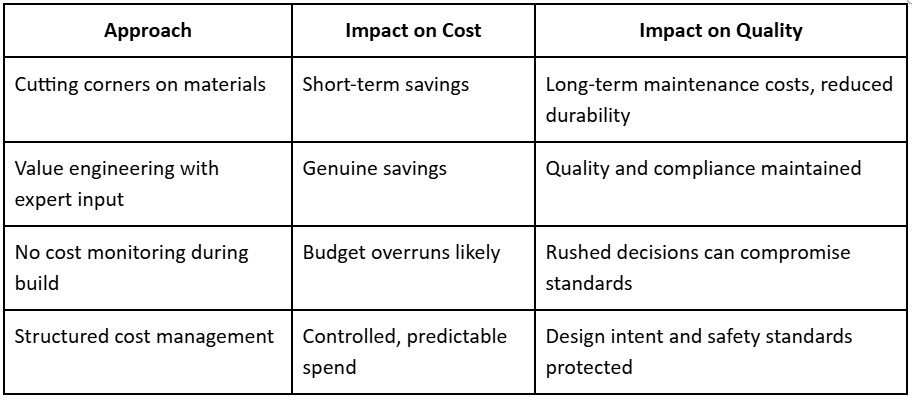
This is where value engineering can play an important role. Rather than simply removing features to reduce spending, value engineering looks at different materials, construction methods, or design solutions that can achieve the required function and performance more efficiently.
Procurement is another important area. A well-planned procurement strategy can help businesses compare options, manage supplier relationships, and reduce the risk of paying more because decisions were left too late.
Once construction begins, regular financial monitoring provides visibility over actual spending, committed costs, and forecast expenditure. This lets you address potential issues while you still have time to make informed decisions.
Cost Reduction vs Quality: What's the Difference?
Where Do Office Construction Services NZ Fit In?
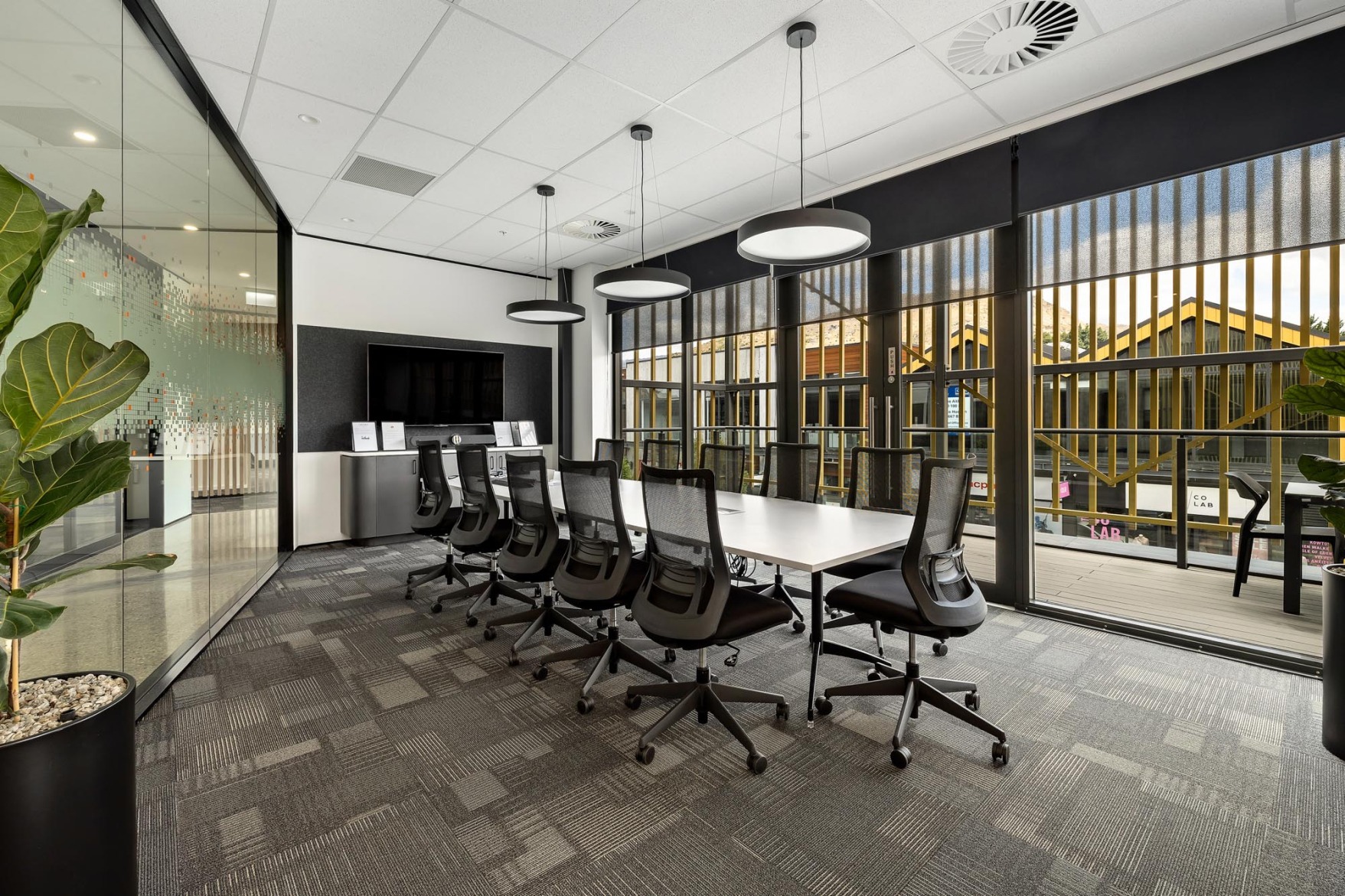
Office construction and fit-out projects have their own cost challenges, particularly when a business needs to continue operating while work takes place.
Careful planning can help minimise disruption, coordinate contractors and reduce the likelihood of delays or rework. Design decisions also need to consider workplace requirements, building services, technology and compliance alongside the available budget.
For businesses planning an office refurbishment or fit-out, cost management can therefore help connect the design vision with what is realistically achievable within the project budget.
Tenant advisory and workplace planning can also provide value before construction begins by helping businesses understand their space requirements, lease considerations and potential fit-out scope before major costs are committed.
When Should Construction Cost Management Start?
Cost management should ideally begin at the feasibility stage, before major design decisions have been finalised.
Starting early gives businesses greater flexibility to adjust the scope, consider alternatives and establish realistic expectations. Waiting until detailed design or construction can make cost reductions more difficult because many decisions have already been locked in.
Early planning also provides a clearer basis for evaluating design options and deciding where the budget should be prioritised.
Final Thoughts
Reducing construction costs in New Zealand does not have to mean compromising the quality of the finished project. The key is to make informed decisions early, monitor costs throughout the process and focus on long-term value rather than short-term savings alone.
From feasibility and cost planning through to procurement, construction and final reporting, a structured approach gives businesses greater control over their investment.
Gaze Commercial supports commercial construction and workplace projects across New Zealand, helping businesses align project scope, cost and delivery requirements from the early planning stages through to completion. To learn more, visit our website.
Frequently Asked Questions
1. Does reducing construction costs always mean lower quality?
No. Cost savings achieved through better planning, procurement and value engineering can reduce expenditure while maintaining the required quality and performance. The risk arises when costs are reduced without considering durability, compliance, or long-term value.
2. What's the difference between cost management and quantity surveying?
Cost management covers the broader process of planning, forecasting, and controlling project expenditure. Quantity surveying typically involves detailed cost estimating, measurement, procurement, and contract-related services. The two areas often work closely together during a construction project.
3. How does value engineering save money?
Value engineering assesses whether alternative materials, methods, or design solutions can deliver the required function and performance more efficiently. The aim is to improve value rather than simply remove features.
4. Can cost management help with office fit-outs?
Yes. Office fit-outs can benefit from early budgeting, procurement planning, variation control, and regular cost monitoring. This is particularly important when work needs to be completed around an operating business.
5. How is risk managed alongside cost control?
Ongoing progress reviews and financial reporting allow risks, such as price fluctuations or scope changes, to be identified and addressed early, before they affect the budget significantly.