Workplaces have changed significantly over the past few years. Many businesses are adapting to hybrid work, changing employee expectations, and new ways of using office space. Because of this, companies are starting to look beyond traditional office layouts and focus more on creating workplaces that genuinely support productivity and day-to-day operations.
This is where workplace consulting services are becoming increasingly valuable.

Workplace consulting helps businesses understand how their office environment is functioning and where improvements can be made. Rather than focusing only on design or appearance, workplace consultants look at how employees interact with the space, how teams collaborate, and how the workplace can better support business goals.
Understanding Workplace Consulting Services
Workplace consulting services involve analysing how a business uses its office space and identifying opportunities to improve efficiency, flexibility, and employee experience.
Every workplace operates differently. Some businesses need collaborative spaces for teamwork, while others require quiet areas for focused work. A workplace consultant helps businesses create environments that suit their employees, workflows, and future growth plans.
What Workplace Consultants Typically Assess
A workplace consultant may review:
- Office layout and space usage
- Employee workflow and movement
- Meeting room usage
- Hybrid work requirements
- Collaboration areas
- Technology integration
- Workplace flexibility and comfort
The goal is to create a workplace that functions more effectively for both employees and the business itself.
Why Workplace Efficiency Matters
An inefficient workplace can affect productivity, employee satisfaction, and operational costs more than many businesses realise.
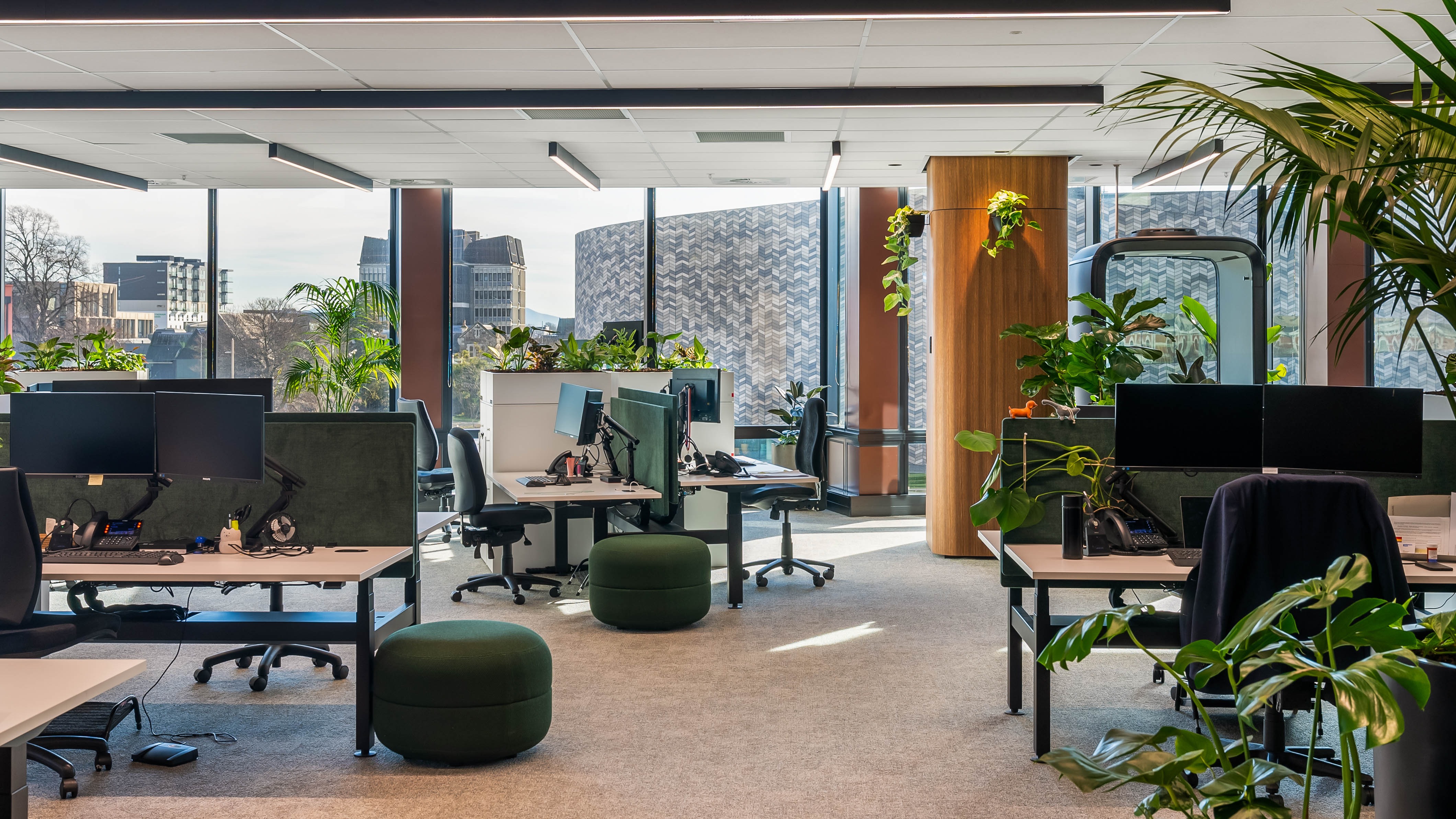
For example, poorly designed office layouts may lead to distractions, overcrowded meeting rooms, or underused spaces. Employees may spend unnecessary time searching for available desks or suitable collaboration areas.
Over time, these small frustrations can impact workflow and overall workplace performance.
The Shift Towards Smarter Workplaces
Modern businesses are becoming more focused on workplace efficiency because work styles have changed. Hybrid work and flexible schedules mean office attendance can vary throughout the week.
Because of this, many organisations are rethinking how their office space should operate.
Workplace consulting helps businesses adapt to these changes by creating more practical and flexible environments.
How Workplace Consulting Improves Efficiency
One of the biggest advantages of workplace consulting is gaining a clearer understanding of how office spaces are actually being used.
Better Space Utilisation
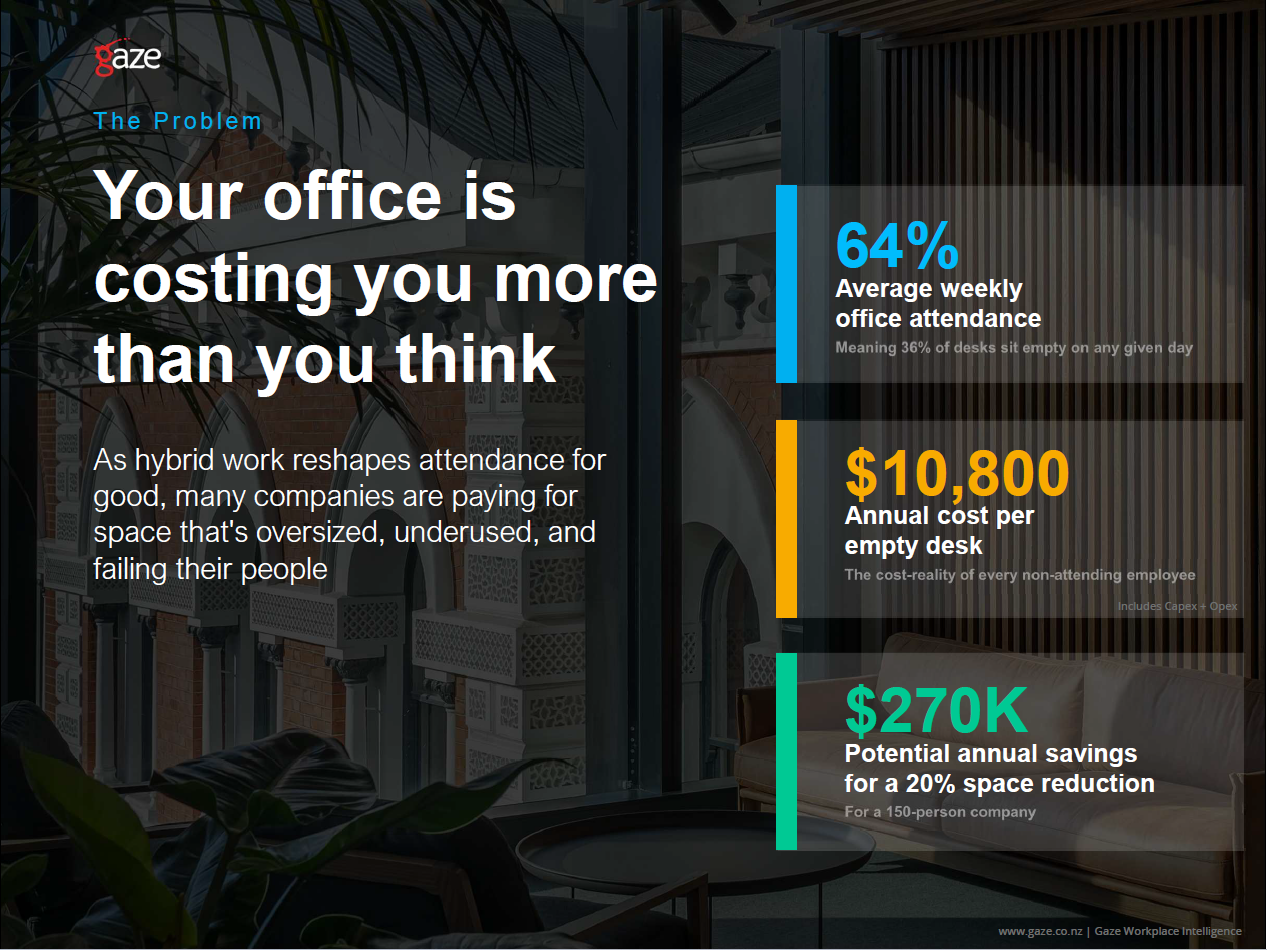
Many businesses discover they are not using their office space efficiently. Some areas may remain empty most of the time, while other spaces become overcrowded.
Workplace consultants help identify these issues and recommend improvements such as:
- Flexible workstations
- Better meeting room allocation
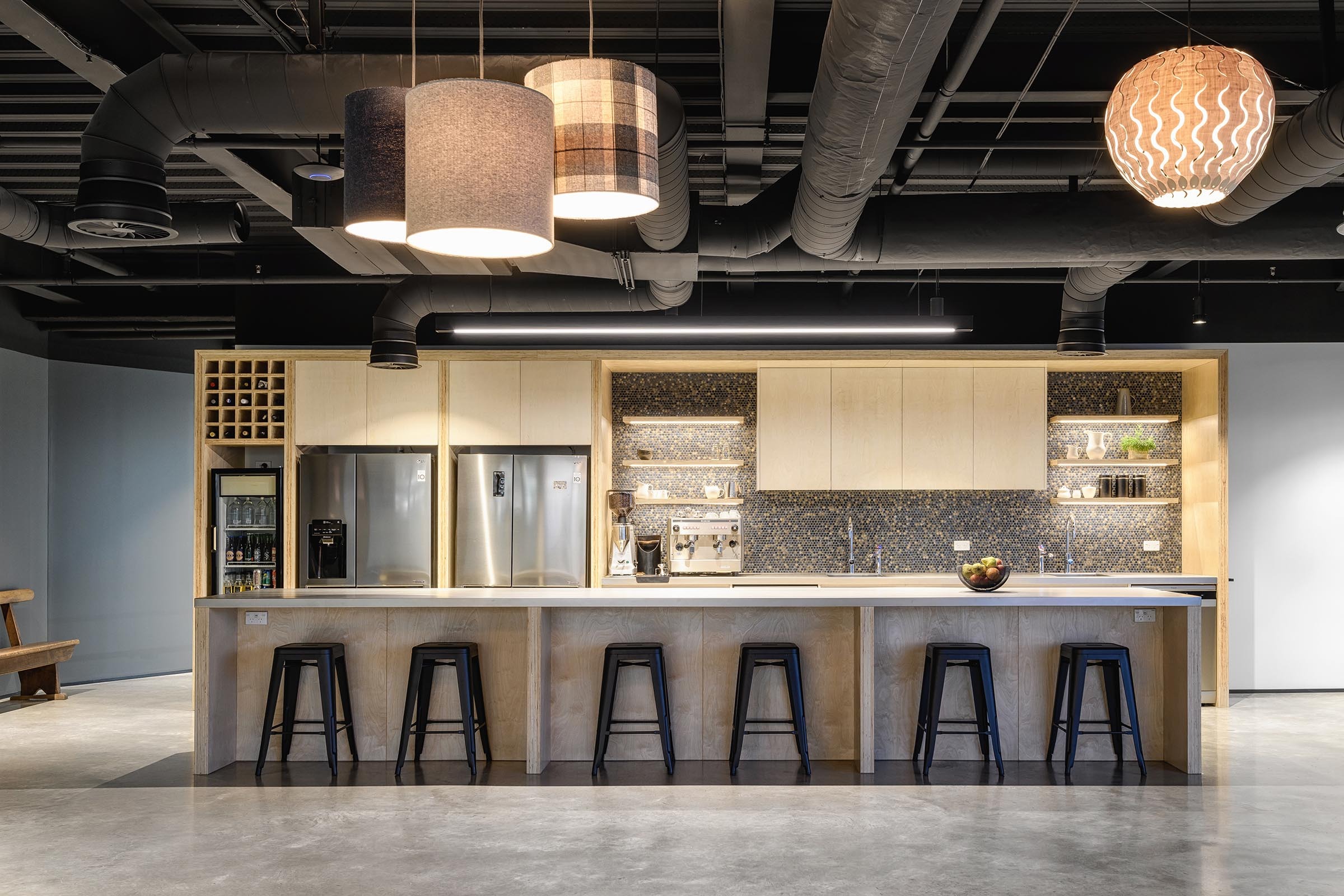
- Improved collaboration spaces
- More efficient office layouts
These adjustments can improve workflow without necessarily increasing office size.
Supporting Employee Productivity
Employees generally work better in environments that feel organised, comfortable, and functional.
A well-planned workplace can reduce distractions, improve communication, and create smoother daily operations. Even small changes in layout or workplace design can positively affect productivity.
Improving Hybrid Work Environments
Hybrid work has become a long-term part of businesses. Managing shared desks, flexible schedules, and changing occupancy levels can be challenging without proper planning.
Workplace consulting helps businesses create office environments that support flexibility while still encouraging teamwork and collaboration.
The Role of Technology in Modern Workplaces
Technology is now playing a much larger role in workplace planning and management.
Many businesses are using workplace data and smart office systems to better understand occupancy patterns, meeting room usage, and employee behaviour within office spaces.
This allows businesses to make more informed decisions about office planning and operational efficiency.
Companies exploring AI Office Optimisation Services NZ are increasingly combining workplace consulting with intelligent workplace technology to improve long-term workplace performance.
Creating Workplaces for the Future
Modern workplace design is no longer only about appearance. Businesses now want offices that can adapt to changing work styles and support employees more effectively over time.
Organisations investing in Office Design solutions are placing greater importance on flexibility, employee wellbeing, and functionality.
Many businesses considering an Office Redesign project are also focusing on creating workplaces that feel more practical, collaborative, and future-ready.
Conclusion
Workplace consulting services help businesses better understand how their office environment is functioning and where improvements can support productivity, efficiency, and employee experience.
As workplaces continue evolving, businesses are recognising that office design is not simply about aesthetics. It is about creating environments that help employees work comfortably, collaborate effectively, and adapt to changing business needs.
With the right workplace strategy, businesses can create offices that feel more efficient, flexible, and supportive for both employees and long-term growth.
Frequently Asked Questions
1. What are workplace consulting services?
Workplace consulting services help businesses improve how their office environment functions. This can include workplace planning, office layout improvements, hybrid work strategies, employee experience, and space optimisation.
2. How can workplace consulting improve workplace efficiency?
Workplace consulting improves efficiency by identifying operational challenges, improving office layouts, supporting better space utilisation, and creating workplaces that help employees work more productively.
3. Why is workplace efficiency important for modern businesses?
Workplace efficiency helps businesses reduce operational waste, improve productivity, support employee wellbeing, and create office environments that adapt to changing work styles.
4. Can workplace consulting help with hybrid work environments?
Yes, workplace consulting can help businesses create flexible office spaces that support hybrid work, shared workstations, collaboration areas, and changing occupancy levels.
5. What is included in workplace consulting services?
Workplace consulting may include office space analysis, workplace strategy, employee workflow assessment, office redesign planning, technology integration, and workplace optimisation recommendations.